

Know Your Open World Game Type
Not all open world games ask the same from you. Some drop you into a world with no hand holding sandbox titles like “Elden Paths,” where story and progress happen when you decide they should, usually through exploration and light nudging. Others, like the mission based “Steel Horizon 5,” give you a map full of markers and a main quest that feels more like a to do list. Both styles can be rewarding, but they demand different mentalities.
Sandbox games reward patience, curiosity, and immersion. You make your own pace, and the real win is in discovering things few players ever do. Don’t expect a sense of urgency there’s rarely a blinking arrow telling you what to do next.
Mission based structures are all about progression and constant feedback. Quests are stacked and streamlined, gear is often gated by milestones, and the pacing is tuned to keep you moving. These are for players who like objectives, rewards, and closure fast and often.
Understanding the structure sets your pace. In a sandbox, don’t stress the main story follow interest instead. In a mission heavy game, it pays to knock out key quests early to unlock better tools. Matching your mindset to the game type makes all the difference.
Don’t Just Follow the Main Quests
Open world games are designed for freedom and that starts from the first few hours of gameplay. While it’s tempting to stick closely to the main questline, taking early detours can set you up for bigger wins down the road.
Why Early Exploration Matters
Boosted Early Progress: Side activities often offer gear and experience points (XP) that outclass what you’ll find on the critical path.
Smoother Difficulty Curve: Gaining extra levels or better items early can make later story missions feel more manageable and enjoyable.
Context Building: Non mainline content fleshes out the lore, making the game world feel deeper and more immersive.
Side Quests: Your Hidden Advantage
Look out for:
Optional missions that unlock unique weapons or gear sets
Character specific arcs that deepen narrative investment and yield XP
Hidden locations or puzzles that offer rare upgrade materials
Pro tip: Some of the most useful skills or items are locked behind optional objectives skip them and you might miss key gameplay tools.
How Exploration Unlocks a Better Game World
Don’t underestimate the strategic value of wandering:
Unlock Safe Fast Travel Points: By visiting outposts, shrines, or markers first, you’ll simplify later travel.
Reveal Resource Zones: Early exploration uncovers mines, farms, or hunting areas for crafting materials.
Enemy Intel: Encountering different enemy types early helps you prep the right loadouts before difficult battles.
Small Detours, Big Rewards
Treat detours not as distractions, but as controlled investments into your long term progression. Each extra cave you explore or side character you meet now adds up to smoother gameplay later on.
Master Core Mechanics First
Before running headlong into the wilderness or accepting high risk missions, it’s critical to build a rock solid foundation of game knowledge. Most open world titles are deep systems sandboxes understanding how they work from the ground up makes everything else easier and more rewarding.
Learn the Essentials Early
Your first few hours should focus on getting comfortable with the game’s most important mechanics. These systems often appear simple at first but evolve with complexity over time.
Movement: Learn sprinting, dodging, climbing, sneaking, and stamina management
Combat: Experiment with combos, timing, blocking, and countering across weapon types
Crafting: Practice potions, gear upgrades, or ammo creation
Resources: Understand what to gather, when to use, and what’s worth selling or keeping
Start small there’s no shame in spending time getting familiar with controls. One missed dodge or wrong material can cost you more than a few minutes.
Practice in Low Risk Zones
Build your confidence early by testing systems in safer areas:
Take on basic bounties or wildlife hunts
Explore near home bases or starter towns
Enter dungeons or mission zones a few levels below your own for experience and rewards
This lets you refine your timing, test new gear, and prepare for more demanding content without constant penalties.
Upgrade What Matters Most
It’s tempting to unlock every cool looking skill or equip the most powerful gear right away but open world success depends on smart choices over flashy ones.
Prioritize: Upgrade stamina, defense, and core abilities before visual perks or one off talents
Balance: Don’t max out offense while ignoring survivability
Customize smartly: Understand whether a stat boost aligns with your playstyle
Investing early in long term utility like better inventory space, health regeneration, or movement speed often pays off more than short term damage boosts. Remember: looks can be deceiving, and cosmetic upgrades won’t save you in a fight.
Get the mechanics down first, and the story, progression, and exploration will feel less like surviving and more like thriving.
Use the Map Like a Tactical Tool
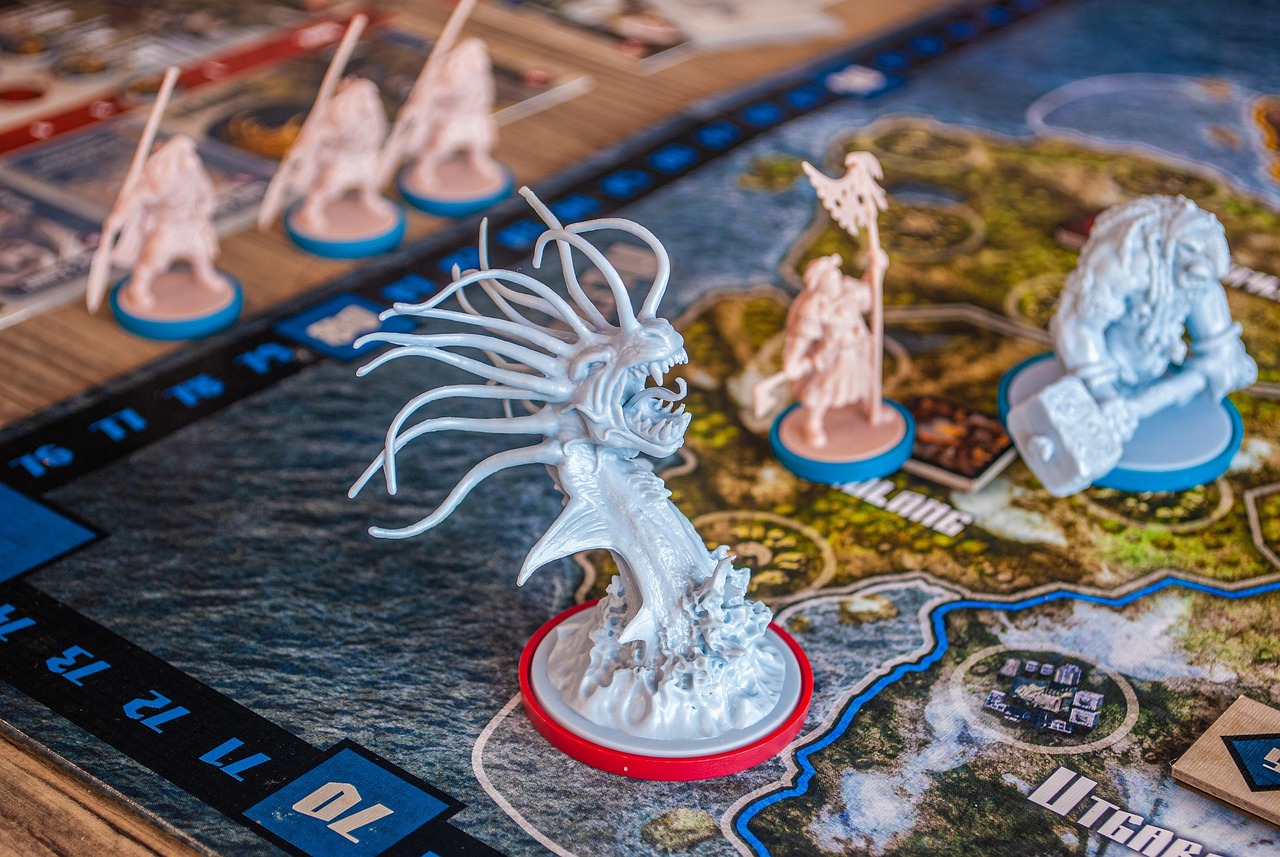
Maps aren’t decoration they’re survival tools. Learning to read terrain can save time, health, and gear. Hills slow you down, rivers block direct paths, and open fields make you a target. Stick to elevation lines and wooded areas when approaching high alert zones. Patterns matter too. If you see lots of wreckage or bones in one area, expect a fight. Tight clusters of structures? Probably a loot nest or an ambush.
Start tagging your map early. Found a campfire? A hidden merchant? A weird cave entrance you’re not ready for yet? Mark it. You’ll come back stronger, and remembering the spot manually forget it. Most modern maps let you pin custom symbols. Use them.
Also, don’t trust the default zoom. Pull back and you miss cave paths running below cliffs or tunnels under buildings. Zoom in and elevation lines or tucked away forest paths suddenly show up. Good players scan both broadly and in detail. The map isn’t just a guide it’s a weapon choice. Use it like one.
Build the Right Early Loadout
Choosing the right gear and upgrades at the beginning of your open world journey can make the difference between thriving and merely surviving. It’s tempting to go after the flashiest abilities or the most powerful weapons, but strategy and balance matter more early on.
Start with Smart Skill Investments
Early skill points are limited, so treat them as premium resources. Prioritize staying alive before dishing out massive damage.
Defense first: Boost health, shields, or stamina before exploring high risk zones.
Mobility matters: Speed or dodging skills often help avoid enemies early on better than raw power.
Delay specialization: Versatility outperforms niche builds while you’re still adapting to the game’s systems.
Balanced Beats Brutal
It’s easy to chase high DPS builds, but survivability keeps you moving through the world.
Look for balance: Gear that offers a mix of resilience and utility outperforms glass cannon setups.
Modular materials: Early armor and weapons with mod slots or upgrade potential keep you flexible.
Don’t ignore utility items: Throwable distractions, traps, and health regen can outpace any raw weapon stat.
Hoard or Spend? Know the Difference
Inventory management feels minor until it’s not. Figuring out what to save and what to use is a long game skill in open world titles.
When to Hoard
Crafting ingredients for rare items or upgrades.
Buff consumables you don’t yet understand keep one of each until you know its value.
Currency until shops offer meaningful or limited time gear.
When to Spend
Vitals like potions or repair kits during longer missions.
Basic upgrades that boost your survivability or traversal ease.
Blueprints or maps that unlock resources or shortcuts.
Being selective in your early game decisions builds a strong foundation for everything ahead. These small choices compound over time, making tougher encounters feel manageable and rewarding your planning skills.
Avoid Over Leveling Zones
Fast travel is tempting. You unlock a new campfire, tower, or portal, and suddenly the whole map feels like your backyard. But moving too quickly through zones can kill the pacing and your build. Each region usually has a level “feel,” even if it’s not written on the screen. Blow past early challenges, and you’ll enter areas with enemies that shrug off your best hits or one tap you with minimal effort.
Watch for signs: enemies that take little damage, drain your health quickly, or move with complex mechanics are often subtle warnings to back off. The game’s telling you: not yet.
If you realize you’re outmatched, don’t panic. Smart retreat matters more than heroics. Use stagger traps, dodge routes, or rideable mounts to escape. Don’t just reload an old save. Retreating across fast travel points lets you regroup without losing open world momentum. Mark the danger spot and come back later. Odds are, you’ll crush it when you return and get better loot for the trouble.
Combat Tips for Open World Beginners
In open world combat, going head to head with enemies one by one is rarely efficient. You’ll burn through resources fast, and you’ll get cornered even faster. That’s why crowd control isn’t optional it’s foundational. Area of effect (AOE) attacks and traps let you manage groups, control flow, and create breathing room. Whether it’s explosions, snares, or stun fields, spreading your damage wide means you survive longer and win more often.
The environment is your ally if you use it right. Verticality gives you a serious edge. A high point gives you vision, distance, and time to react. Don’t just charge in on flat ground when a ledge or rooftop is twenty steps away. Outdoors, rocks, ruins, and trees aren’t just background they’re cover. Smart movement can make you nearly untouchable, especially against ranged enemies or swarms.
Get methodical and stay sharp. Button mashing might get you through one ambush but good terrain use and power control wins wars.
For deeper tactical plays, check out our bonus read: Top 10 Tips for Competitive Play in First Person Shooters
Final Strategy: Play Like an Explorer
Whether you’re trekking the snowy cliffs of a fantasy world or crawling through the ruins of a post apocalyptic city, the best approach is to think like an explorer, not a speedrunner. Curiosity should be your compass but don’t wander empty handed. Have a basic plan for food, potions, tools, and save points. Exploring blindly is romantic until you get ambushed three checkpoints away from your last save.
The smartest players find a rhythm: explore steadily, collect loot, retreat, restock, repeat. That loop keeps your progress smooth and your frustration low. You’ll last longer, get stronger, and uncover more secrets than the folks trying to blaze through the main story without building their kit or understanding the terrain.
Open world games are built to reward patience. Some of the best items, characters, or storylines won’t show up until you’ve invested real hours poking into optional caves or forgotten villages. So trust the process. Don’t break the game soak in it.
You’re not just beating levels. You’re living in the world. That mindset shift makes all the difference.
