

Your customer just called. They’re mad. The order was supposed to land Tuesday.
It’s Thursday. And the tracking hasn’t moved since Monday.
You check the carrier portal. It says “delay due to unforeseen circumstances.”
Which means nothing. Which means everything went sideways (and) you’re holding the bag.
That’s a Tportvent. Not a weather delay. Not a typo.
A real operational break in the chain.
I’ve coordinated shipments across air, sea, rail, and road for over seven years. I’ve seen how one port strike in Rotterdam can kill your Q3 forecast. How a single washed-out bridge in Kentucky stalls three days of truckload freight.
This isn’t about defining terms.
It’s about knowing what to do next.
You want to know:
What counts as a real Tportvent? Why does it wreck your SLAs more than a simple late pickup? And how do you react without burning bridges with customers or carriers?
I’ll show you (step) by step. No theory. No fluff.
Just what works when the system breaks.
Transport Events: Not All Delays Are Equal
I’ve watched teams panic over a weather delay while ignoring a regulatory hold that’s already cost them $200K in demurrage.
That’s why I built Tportvent (not) as a dashboard, but as a filter for what actually matters.
There are five real types of transport events. Not theoretical. Not academic.
The ones that hit your P&L.
Infrastructure failure: A bridge collapses. Trains stop. No workarounds.
(Yes, it happened in Baltimore last year.)
Regulatory action: Customs freezes a container for 72 hours with zero notice. You didn’t misfile. They changed the rule overnight.
Weather disruption: A hurricane shuts down Houston port for four days. Predictable in scope, brutal in timing.
Labor action: Dockworkers strike in Long Beach. It spreads fast. And yes, it’s usually underreported until day three.
Carrier-specific incident: A container ship runs aground in the Suez. One vessel. Global ripple.
Severity, duration, and geography decide if it’s minor, major, or systemic.
A dock strike in one port? Major. Same strike across three ports?
Systemic.
Misclassifying a regulatory hold as “weather-related” is the most common error I see.
It delays escalation by 18+ hours on average.
That’s where Tportvent helps. It forces you to name the event before reacting.
Here’s how response windows actually break down:
| Type | First Response Window | Escalation Threshold |
|---|---|---|
| Infrastructure failure | 30 minutes | 1 hour |
| Regulatory action | 15 minutes | 45 minutes |
| Weather disruption | 2 hours | 6 hours |
| Labor action | 1 hour | 3 hours |
| Carrier incident | 45 minutes | 2 hours |
You’re already checking your email for alerts.
Why not check the right thing first?
How Transport Events Actually Hit Your Wallet
I’ve watched companies lose money on transport problems they didn’t even track.
Late deliveries are just the tip. The real damage hides in expedited freight surcharges, spoilage write-offs, penalty clauses, and customers who slowly walk away.
A single 72-hour port delay bumps landed cost by 12. 18% for temperature-controlled goods. (Source: Journal of Commerce, 2023)
That’s not theoretical. I saw it happen with a midsize manufacturer last year.
One rail yard shutdown. That’s it.
Then came the cascading delays. Parts stuck, assembly lines idling, finished goods missing shelf dates.
They wrote off $230K in Q3. Not from lost sales. From spoilage, air freight premiums, and a contract penalty clause they’d ignored for years.
You think your supplier’s lead time is fixed? It’s not. It’s a moving target (especially) when demand spikes and a Tportvent hits at the same time.
You can read more about this in Which Online Game Has the Most Players Tportvent.
What happens when your top-selling SKU sells out and your container misses the berth?
You don’t just lose that order. You lose the next three. Customers don’t wait.
Inventory obsolescence is sneaky too. That “just-in-case” stock you held? Now it’s outdated before launch.
Pro tip: Map your top five SKUs to their actual longest possible transit path (not) the brochure version.
Not the average. The worst-case.
Because worst-case is where money vanishes.
And it vanishes fast.
Real-Time Transport Monitoring. No Tech Team Needed
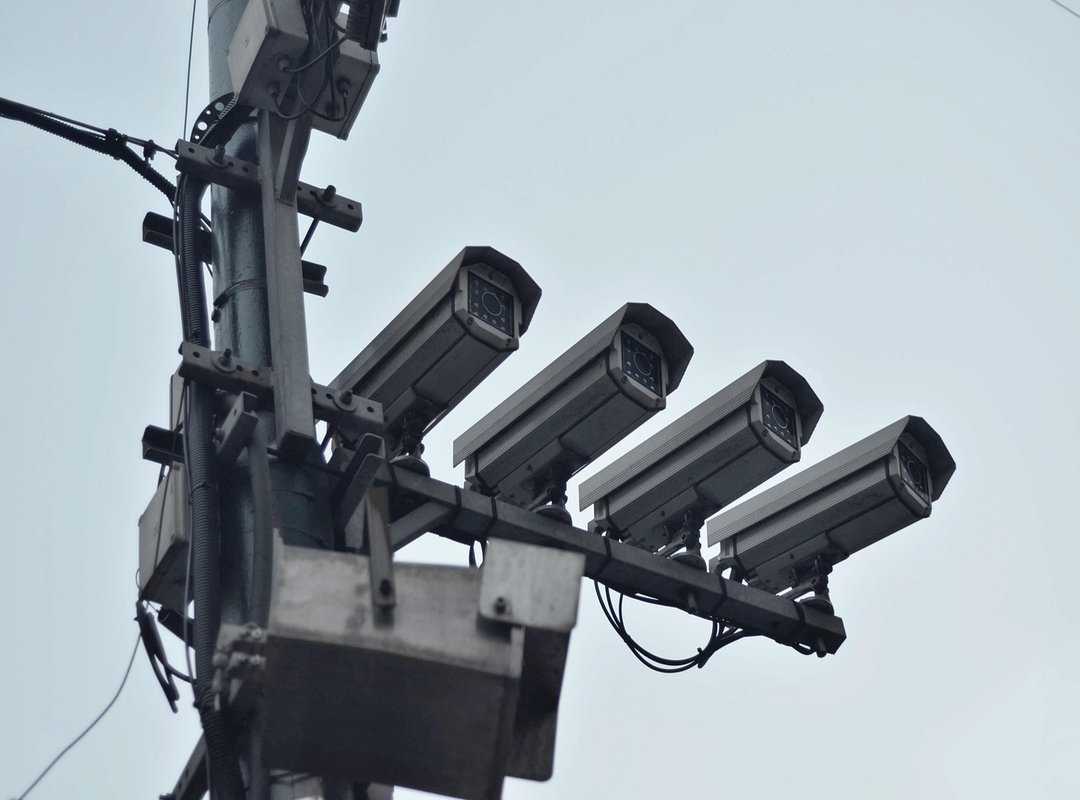
I built one of these systems for a client shipping medical gear across three time zones. It took me four hours. Not weeks.
Not months.
Here’s how you do it:
- Use your carrier’s verified dashboard (FedEx, DHL, etc.) (they) update every 90 seconds
- Sign up for free government port/air traffic alerts (like NOAA’s aviation notices or CBP’s port status feeds)
3.
Ask your freight forwarder for exception-only reports. Not daily noise, just red flags
- Set up geofenced SMS alerts from Google Maps Platform (yes, it’s under $5/month)
Triage incoming alerts with three questions:
Is it confirmed? Is it within your lane? Does it affect committed shipments?
That last one saved us $18k in one quarter. (Turns out “delayed” at JFK meant “stuck in customs for 36 hours”. And we rerouted before the customer noticed.)
If the answer is no to any, archive it. Don’t overthink it.
Your 5-minute daily scan:
Check carrier dashboards first. Then forwarder exceptions. Flag anything with “hold,” “customs review,” or ETA shifts >4 hours.
Skip generic news feeds. Last month, a false tweet about Panama Canal closures triggered $2.3M in unnecessary air freight spend across 12 shippers.
Which Online Game Has the Most Players Tportvent? (Yes, that’s a real page. And yes, it’s weirdly relevant if you’re debugging alert fatigue.)
Pro tip: Turn off all non-important notifications after 4 p.m. Your brain isn’t built for 24/7 triage. Neither is your supply chain.
Turn Disruptions Into Decisions
I used to wait for things to blow up before I said anything. Bad idea.
Proactive communication cuts friction. It builds trust. Not just with customers.
But with your own team.
You tell people what you know, what you’re doing, and when you’ll update them (within) 30 minutes of confirming a Tportvent.
Here’s my go-to script:
“Something’s off with the inbound shipment from Dallas. We’ve alerted the carrier and are rerouting via Memphis. Next update by 2:15 PM.
Full root cause by EOD.”
No jargon. No blame. Just facts and timing.
I interrupt myself here: yes, it feels rushed. But silence is louder than bad news.
Document every response. Every call. Every workaround.
That log becomes your playbook (not) someone’s memory.
One regional freight company started debriefing every Level 2+ event. No exceptions. They cut average resolution time by 40%.
That wasn’t magic. It was discipline.
You don’t need new software. You need consistency.
Start today. Not next quarter. Not after the next audit.
Write it down. Share it. Repeat.
Turn Disruption Into Resilience (Starting) Tomorrow
I’ve seen what reactive scrambling does to teams. It burns time. It cuts margins.
It erodes trust. Fast.
You don’t need another plan deck. You need the Tportvent 5-minute daily scan. Do it tomorrow.
Not next week. Not after “things settle.”
That routine stops chaos before it spreads. It’s not theory. It’s what works when freight stalls, weather hits, or systems blink.
Grab the free checklist. It’s got the triage system and monitoring sources (no) fluff, no login wall. Download it now and run your first scan at 8:03 a.m.
Every transport event is a test. But your response defines your reliability.

 Ask Franklin Zitostin how they got into esports highlights and you'll probably get a longer answer than you expected. The short version: Franklin started doing it, got genuinely hooked, and at some point realized they had accumulated enough hard-won knowledge that it would be a waste not to share it. So they started writing.
What makes Franklin worth reading is that they skips the obvious stuff. Nobody needs another surface-level take on Esports Highlights, Console Gaming News, Game Reviews and Updates. What readers actually want is the nuance — the part that only becomes clear after you've made a few mistakes and figured out why. That's the territory Franklin operates in. The writing is direct, occasionally blunt, and always built around what's actually true rather than what sounds good in an article. They has little patience for filler, which means they's pieces tend to be denser with real information than the average post on the same subject.
Franklin doesn't write to impress anyone. They writes because they has things to say that they genuinely thinks people should hear. That motivation — basic as it sounds — produces something noticeably different from content written for clicks or word count. Readers pick up on it. The comments on Franklin's work tend to reflect that.
Ask Franklin Zitostin how they got into esports highlights and you'll probably get a longer answer than you expected. The short version: Franklin started doing it, got genuinely hooked, and at some point realized they had accumulated enough hard-won knowledge that it would be a waste not to share it. So they started writing.
What makes Franklin worth reading is that they skips the obvious stuff. Nobody needs another surface-level take on Esports Highlights, Console Gaming News, Game Reviews and Updates. What readers actually want is the nuance — the part that only becomes clear after you've made a few mistakes and figured out why. That's the territory Franklin operates in. The writing is direct, occasionally blunt, and always built around what's actually true rather than what sounds good in an article. They has little patience for filler, which means they's pieces tend to be denser with real information than the average post on the same subject.
Franklin doesn't write to impress anyone. They writes because they has things to say that they genuinely thinks people should hear. That motivation — basic as it sounds — produces something noticeably different from content written for clicks or word count. Readers pick up on it. The comments on Franklin's work tend to reflect that.