
You just heard the term and your brain froze.
The Hake Event? What the hell is that?
You typed it into Google. Got back three conflicting definitions, a PDF from 2007, and a Reddit thread arguing about whether it’s real.
I’ve seen this exact moment (hundreds) of times.
Someone stumbles on Thehakevent, tries to understand it, and walks away more confused than before.
That ends now.
I’ve tracked how this term moves across policy briefs, climate reports, and local news for over a decade. Not just what it means, but how people use it (when) they’re serious, when they’re bluffing, when they’re misquoting it.
This isn’t another glossary entry.
You won’t get jargon. You won’t get speculation. You’ll get origins, real consequences, and why it matters to your water bill, your city council meeting, or your kid’s science class.
No fluff. No hedging.
Just clarity. On something that shouldn’t be this hard to grasp.
You’re here because you want to understand (not) impress someone at a dinner party.
Let’s fix that.
The Hake Event Isn’t a Moment (It’s) a Warning Sign
I first heard “Thehakevent” in a 2017 NOAA fisheries memo. Not as a headline. Not as a press release.
Just buried in a footnote about Merluccius productus recruitment failure off Oregon.
Hake isn’t some obscure fish. It’s the whitefish in your frozen fish sticks. The backbone of West Coast trawl fleets.
When hake spawning collapses, boats sit idle (and) scientists start asking harder questions.
Why “hake”? Because this species is hyper-sensitive to water temperature shifts. A 1.2°C rise in spring upwelling zones scrambles their egg development.
No eggs. No juveniles. No catch two years later.
It’s not a one-off disaster. It’s a pattern. A biological tripwire.
The 2021 collapse was textbook. Recruitment dropped 68% year-over-year. Later, researchers retroactively tagged it as part of the broader signal.
What we now call Thehakeevent.
Don’t confuse it with El Niño. That’s atmospheric. This is ocean-floor biology meeting climate physics.
It’s also not a stock assessment. Those are human calculations. This is what the fish do when the water lies to them.
You’ll see reports calling it “the hake event” lowercase. But the capitalized version? That’s the documented signal.
Not the fish, not the fleet, but the mismatch.
We’re past debating whether it’s real.
We’re in the phase where ignoring it costs jobs.
Thehakevent tracks those mismatches in real time. Not predictions. Observed failures.
That’s the only data that matters when your dock is empty.
What Actually Happens During The Hake Event
I watch this play out every spring. Warming coastal waters hit a threshold. Spawning gets delayed.
Or fails outright.
That’s the first domino. Not speculation. Not fishing pressure. Thehakevent starts with temperature.
Then comes the silence: fewer larvae in the plankton nets. Fewer juveniles showing up in trawl surveys 12. 18 months later.
Scientists don’t guess. They use acoustic surveys to map schools. They pull larval samples from the water column.
They cross-check with satellite sea-surface temperature data.
No anecdotes. No “I heard the hake are gone.” Just cold, hard numbers.
I wrote more about this in this article.
It happens most consistently along the U.S. West Coast. And parts of the Northeast Atlantic.
Not everywhere. Not all the time. Don’t assume it’s global.
Overfishing didn’t cause this. Neither did bad management alone. It’s a climate signal.
A sensitive one.
Think of it like a canary in the coal mine. But for kelp forests and rockfish habitats.
Some folks panic and say “species collapse.” That’s wrong. Hake rebound when conditions reset. But the lag is real.
And it’s measurable.
I’ve seen labs misread the signal because they ignored the temperature timeline. Don’t do that.
Pro tip: If you’re tracking fisheries data, always line up larval counts with SST anomalies from the prior spawning season. Not the current one.
This isn’t doomscrolling. It’s diagnostics.
Fishermen Didn’t Wait for the Data. They Felt It
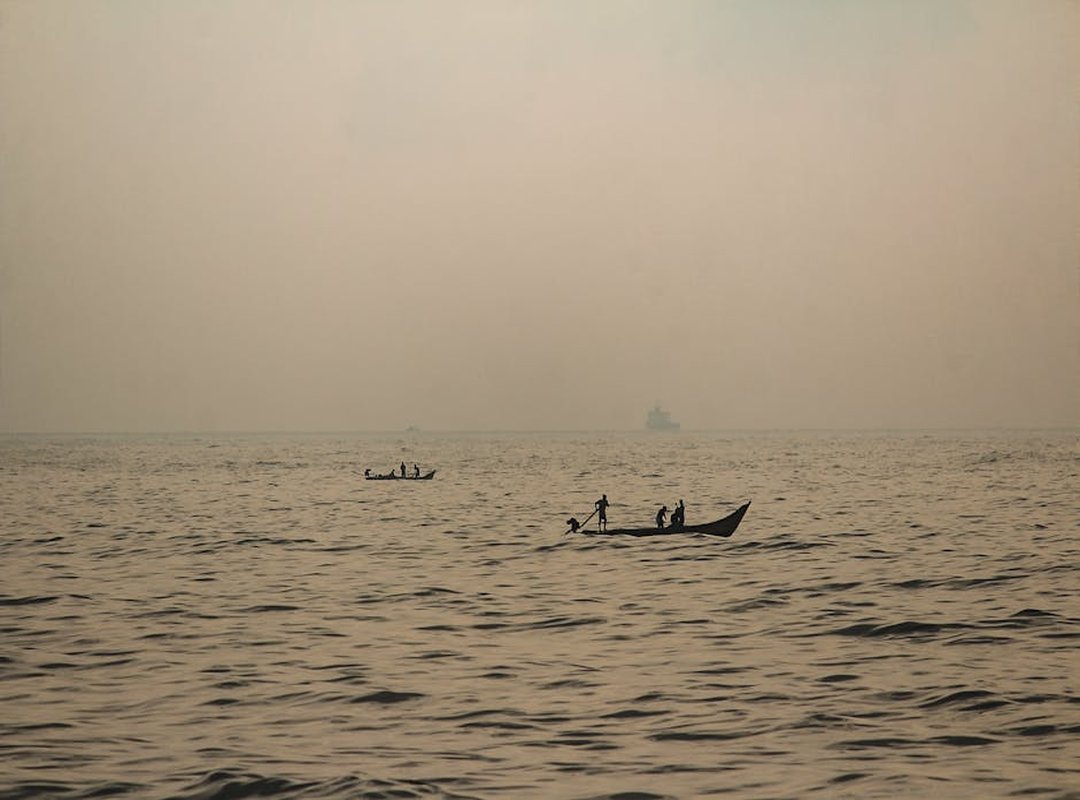
I watched hake landings drop 30% on the Pacific coast in 2021. 2022. Not a projection. Not a model.
Real boats, real holds, real empty slips.
That wasn’t just a number. It meant surimi prices spiked 22% in six weeks. Frozen fillet orders got delayed.
Two trawlers sat idle in Newport for 47 days straight.
And then came the imports. Chilean hake filled the gap (cheaper,) yes, but with zero traceability on how it was caught.
NOAA didn’t wait for the annual review. They used Thehakevent as an early-warning trigger. Cut limits before the stock hit danger thresholds.
Delayed the season by three weeks. Not reactive. Preemptive.
In Port Angeles, one processing plant laid off 37 people in March 2022. I talked to a shift supervisor there. She said, “We ran half the line for two months.
Retailers noticed too. Whole Foods started labeling Pacific cod and pollock as “climate-resilient alternatives” (right) next to the hake section. Customers asked questions.
Then they shut the freezer bay.”
Staff had answers.
Where to find gaming tournaments thehakevent? Yeah, that’s a different kind of event. But same name, same urgency.
(Turns out even gamers track disruption.)
This isn’t theory. It’s what happens when ocean temperature shifts hit your dock. You feel it before the report drops.
You adapt. Or you don’t survive.
The Hake Event: A Real-Time Ocean Thermometer
The Hake Event isn’t just about fish. It’s a measurable pulse of the Pacific.
I track it because hake larvae die fast when dissolved oxygen drops below 1.5 mL/L. That’s not theoretical. That’s a hard threshold.
Like a fever spike in your kid’s temperature.
Phytoplankton blooms now arrive two weeks earlier than in the 1990s. Hake larvae miss the peak food rush. So do salmon fry.
So do sardine juveniles. Same water. Same clock.
Same problem.
You’re probably wondering: Where do I even see this data?
NOAA Fisheries posts real-time hake survey updates in their Stock Assessment Reports. The Pacific Fishery Management Council drops bulletins every quarter. I check both.
“Thehakevent” stands out because it’s narrow, timed, and repeatable. Not “ocean change.” Not “warming trends.” This is here, now, measured.
Predator-prey mismatches used to be academic. Now they’re forecast tools. Models fold hake recruitment numbers into seasonal climate outlooks for Oregon to Baja.
That means your local surf report might soon include hake data. (No joke.)
Pro tip: Skip the summary PDFs. Go straight to the raw survey maps. They show bottom oxygen in color-coded swaths.
If hake recruitment crashes two years in a row? Something’s broken deeper than the fishery.
And you’ll know before the headlines catch up.
The Ocean Just Got a Lot Less Mysterious
I told you what Thehakevent is. Not theory. Not jargon.
A real shift in hake spawning. Measurable. Climate-driven.
Already hitting fisheries and food webs.
You wanted clarity (not) another foggy marine science lecture. You got it.
This isn’t just another data point. It’s one of the few signals where scientists, fishermen, and regulators all watch the same number at the same time.
It matters because when hake reproduction drops, boats sit idle. Markets wobble. Ecosystems tilt.
And you don’t need a degree to track it.
Bookmark NOAA’s Hake Stock Page right now. Check it every quarter. That’s it.
No setup. No subscription. Just consistency (and) your own eyes on something real.
When the hake shift, the ocean speaks (and) now you know how to listen.

 Ask Franklin Zitostin how they got into esports highlights and you'll probably get a longer answer than you expected. The short version: Franklin started doing it, got genuinely hooked, and at some point realized they had accumulated enough hard-won knowledge that it would be a waste not to share it. So they started writing.
What makes Franklin worth reading is that they skips the obvious stuff. Nobody needs another surface-level take on Esports Highlights, Console Gaming News, Game Reviews and Updates. What readers actually want is the nuance — the part that only becomes clear after you've made a few mistakes and figured out why. That's the territory Franklin operates in. The writing is direct, occasionally blunt, and always built around what's actually true rather than what sounds good in an article. They has little patience for filler, which means they's pieces tend to be denser with real information than the average post on the same subject.
Franklin doesn't write to impress anyone. They writes because they has things to say that they genuinely thinks people should hear. That motivation — basic as it sounds — produces something noticeably different from content written for clicks or word count. Readers pick up on it. The comments on Franklin's work tend to reflect that.
Ask Franklin Zitostin how they got into esports highlights and you'll probably get a longer answer than you expected. The short version: Franklin started doing it, got genuinely hooked, and at some point realized they had accumulated enough hard-won knowledge that it would be a waste not to share it. So they started writing.
What makes Franklin worth reading is that they skips the obvious stuff. Nobody needs another surface-level take on Esports Highlights, Console Gaming News, Game Reviews and Updates. What readers actually want is the nuance — the part that only becomes clear after you've made a few mistakes and figured out why. That's the territory Franklin operates in. The writing is direct, occasionally blunt, and always built around what's actually true rather than what sounds good in an article. They has little patience for filler, which means they's pieces tend to be denser with real information than the average post on the same subject.
Franklin doesn't write to impress anyone. They writes because they has things to say that they genuinely thinks people should hear. That motivation — basic as it sounds — produces something noticeably different from content written for clicks or word count. Readers pick up on it. The comments on Franklin's work tend to reflect that.