Where the Big Three Stand in 2026
In 2026, the console battle lines are as clear and competitive as ever. PlayStation still holds the largest global market share at around 41%, but Xbox is closing the gap with 35%, powered by aggressive Game Pass growth and tighter first party integration. The Nintendo Switch line, bolstered by this year’s long anticipated Switch 2 release, rounds out the trio with 24%, relying on its deep back catalog and dominance in the portable space.
Each next gen offering brings something new to the table. The PS6 is leaner, faster, and finally quiet Sony cut load times drastically and reeled in heat issues. Xbox Series Omega doubled down on ecosystem coherence, offering an experience that blurs console and cloud. Meanwhile, the Switch 2 keeps its hybrid DNA but adds OLED plus visuals, improved battery life, and exclusive titles that remind us why Nintendo doesn’t play by anyone else’s rules.
Performance wise, PlayStation leads in sheer processing muscle, Xbox offers the most flexible cross platform support, and Nintendo keeps the edge in mobility and nostalgia. The question isn’t just who’s ahead it’s who’s staying relevant where it counts.
For a full look at the numbers and strategy shifts shaping 2026, check out Inside the numbers: Console gaming market trends this year.
What Gamers Actually Care About
Exclusives still draw battle lines. In 2026, PlayStation holds the edge in prestige storytelling. Titles like “Eclipse Protocol” and “Shinobi Collapse” continue the tradition of cinematic, single player blockbusters. Xbox, however, is catching up. Its acquisition spree finally bore fruit with franchise defining hits like the new “Fable” and Obsidian’s RPG epic. Meanwhile, Nintendo stays in a lane of its own quirky, beloved, and untouchably consistent. “Zelda: Echoes of Skyfall” made headlines not just for sales, but fan obsession.
Performance vs. portability remains a choose your own trade off. The PS6 and Xbox Omega deliver raw horsepower ray tracing, instant load times, and native 8K support. But Switch 2 doubled down on its hybrid DNA, giving up some specs but winning on convenience. If you’re docked in front of a massive screen, Sony and Microsoft rule. If you’re bouncing between flights and cafes, the Switch still gets the nod.
Then there’s the subscription arms race. Game Pass led the charge, now under the Xbox Vault umbrella with a deeper retro library and PC console sync. Sony responded hard with PlayStation Access Pro tiered, cloud first, with day one drops. Nintendo, slower to the race, quietly improved its Classics Plus service, but still lags in library depth. For value and breadth, Xbox still owns the category at least for now.
Innovations That Shifted the Balance
Cloud gaming isn’t just a buzzword anymore it’s a battleground. Xbox leaned in early with Game Pass Ultimate and xCloud integration. By 2026, they’ve turned almost any screen into a console. PlayStation followed but remains more selective, using cloud tech to enhance access to exclusives and backward compatibility. Nintendo’s approach? Limited, but deliberate streaming heavier third party titles through partnerships while focusing on local play.
AI is now baked into gameplay, and you’ll notice it. From smarter NPCs that learn your tactics to dynamic difficulty that adjusts on the fly, artificial intelligence is reshaping how games respond. Xbox’s Omega series uses machine learning to tweak AI patterns over time. PlayStation’s adaptive difficulty tech in select titles is already gaining praise for personalizing challenge without making players feel punished.
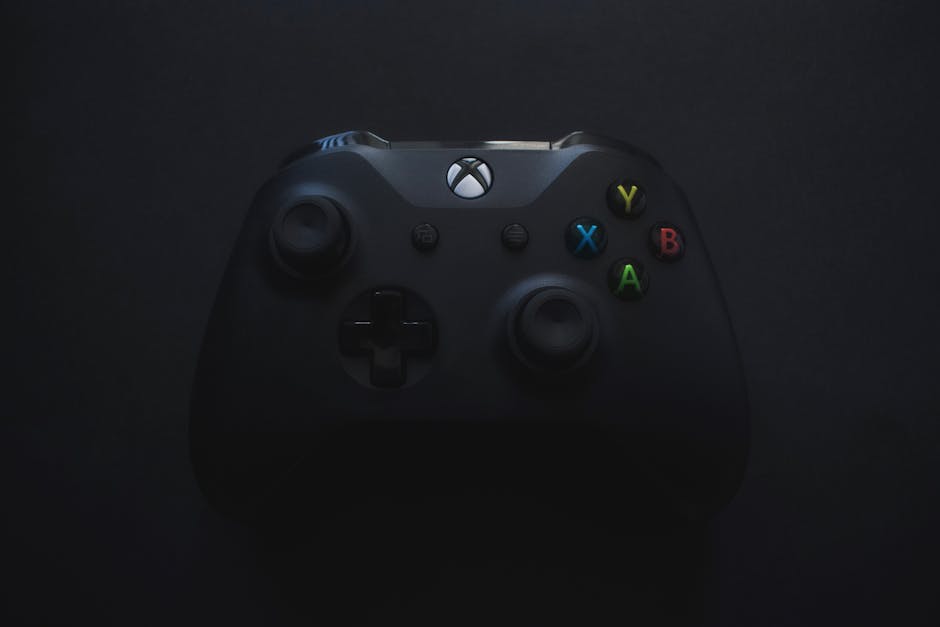
On the hardware side, controllers are getting smarter too. PlayStation’s DualSense 2 packs deeper haptics and smarter adaptive triggers. Xbox’s Precision Pad adds customizable tension and extended battery modules. Meanwhile, Switch 2 has improved Joy Cons with better drift resistance and a modular design that supports lightweight VR play. Accessories are following suit lighter headsets, cross platform fight sticks, and even body tracking sensors. It’s not just game on it’s evolve or get left behind.
What Developers Are Saying
As console technology and infrastructure evolve, game developers are making key platform decisions based not just on power or install base, but on relationships, tools, and financial realities. In 2026, developer sentiment is shaping the ecosystem as much as fan demand.
Platform Friendly Studios: Who’s Getting Games First?
Releasing a title on one console before another isn’t just about exclusivity it often reflects how easy a platform is to develop for, or how supportive the console maker is during production.
PlayStation has retained strong ties with AAA studios, often securing early releases or deep console integration.
Xbox continues leveraging its developer tools and ecosystem unity, especially with PC, to encourage simultaneous or early releases.
Nintendo has seen slower rollouts for certain third party titles, but first party collaboration remains a major draw.
Revenue Share & Indie Publisher Sentiment
Indie publishers are watching the bottom line. Revenue splits and self publishing support play a huge role in platform preference.
Xbox and Steam style revenue models make Microsoft more attractive for budget conscious studios.
PlayStation’s stricter curation can be a barrier, though visibility for approved titles is strong.
Nintendo offers solid support for family friendly or niche indie titles, though limited tech can be a constraint.
Key sentiment from indie publishers in 2026:
Favor platforms with transparent onboarding and low upfront costs
Prefer console ecosystems that provide marketing boosts
Value communities where smaller titles don’t get buried
Cross Platform Development: Benefits and Design Challenges
In an increasingly device agnostic world, cross platform compatibility is now more than a perk it’s an expectation. Developers must design with flexibility in mind:
UI and control systems need to work across handheld, console, and even mobile experiences
Cloud saves and cross play features are driving player loyalty, but add layers of complexity
Performance balancing becomes crucial when launching games on both a power heavy system like PS6 and a more portable device like Switch 2
For developers in 2026, creating across consoles isn’t optional it’s strategy. Those who adapt efficiently are seeing broader reach and stronger communities.
The Console War’s Real Winner?
Brand Loyalty: Still Strong, But No Longer Absolute
For years, console preferences have been shaped by brand loyalty. Many gamers grow up in a PlayStation or Xbox household and stick with what they know. Exclusive titles, controller layouts, and even the interface contribute to a sense of familiarity that’s hard to break.
However, in 2026, that loyalty faces new challenges:
More cross platform releases make switching consoles less painful.
Subscription services like Game Pass and PlayStation Plus give gamers flexible access, decreasing dependency on a single brand.
Shared libraries and cloud saves blur the lines between ecosystems.
Loyalty still matters but increasingly, it’s about value, not habit.
The Rise of Hybrid Gamers
More players now own two or more consoles, driven by content diversity and hardware versatility. These hybrid gamers aren’t tied down they’re chasing the best experience for the moment.
Common combinations include:
PlayStation + Nintendo Switch: Hardcore titles and on the go gaming
Xbox + PC: Subscription overlap and ecosystem sync
Switch 2 + Cloud gaming setup: Portability meets performance
This shift reflects a larger trend: gamers no longer live inside single platform silos.
What to Watch in the Next Hardware Cycle
The next wave of console hardware could reshape the balance again. Key developments to monitor include:
Performance boosts and quality of life upgrades in mid gen refreshes
Accessory and controller innovations (especially with mixed reality and haptics)
Further integration with mobile and cloud ecosystems
In the coming years, the “winner” of the console war may not be the one leading in sales, but the one offering the most adaptable, player centric experience.
