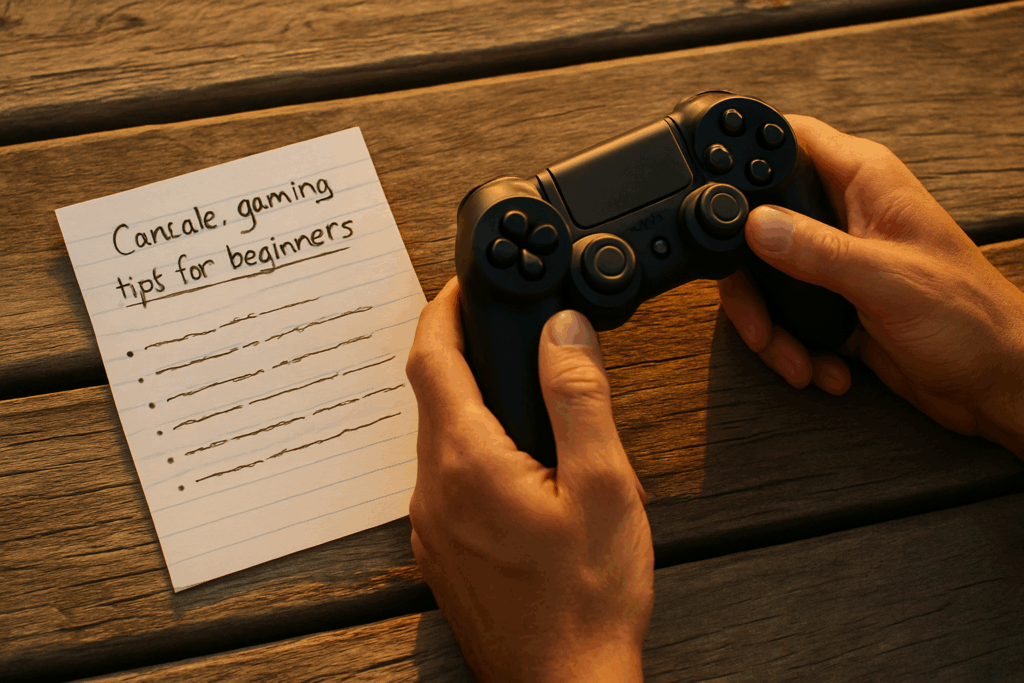
Know Your Game Inside and Out
Before you chase win streaks or worry about climbing ranks, get grounded in the basics. Start with movement how fast can you strafe, crouch, jump, slide? Learn how your character handles and how the momentum system (if there is one) works. Next, study the maps. Not just spawn points and choke zones, but also high ground, flanking paths, and cover spots. Being familiar with the map layout can win you fights before they even start.
Understanding controls is just as essential. Don’t just use default settings tweak your sensitivity, re map buttons if needed, and figure out what makes your input smoother and quicker. Comfort leads to consistency.
Then there’s the meta. Every competitive game has dominant choices strong characters, overpowered perks, or favored loadouts. Learning what the top players use and why gives you a head start. You don’t need to copy everything, but knowing the current power picks helps you avoid being at a disadvantage.
Lastly, never ignore patch notes. Games evolve fast. A weapon that shredded last week might get nerfed into oblivion tomorrow. Stay updated so your strategy adapts before your competition does. In this space, staying informed is critical to staying ahead.
Start With the Right Setup
Before diving into competitive play, getting your setup right is key. Even the best strategies and reaction times can’t make up for poor settings, bad audio, or a laggy connection.
Optimize Your Controller Settings
Every gamer has a unique playstyle, so your controller should reflect that. Fine tuning your inputs not only enhances performance but also prevents fatigue during longer sessions.
Adjust sensitivity levels to suit your aiming and movement preferences
Rebind buttons for quicker access to frequently used actions
Use preset profiles or create a custom layout that feels intuitive
A small tweak in sensitivity or layout can significantly improve your accuracy, timing, and comfort.
Use a Headset That Works For You
In competitive games where every sound matters, having clear and reliable audio is non negotiable.
Invest in a comfortable, over ear headset for immersive sound
Choose wired models when possible to reduce latency and disconnects
Make sure your mic is clear communication is key in team based matches
Being able to hear footsteps, gunfire, and enemy callouts can turn near misses into clean wins.
Stable Connection = Better Performance
Few things are more frustrating than losing a fight due to lag. Prioritize your connection quality from the start.
Use a wired Ethernet connection whenever possible to reduce lag and packet loss
Close background apps and devices hogging bandwidth on your network
Choose servers geographically closer for lower ping
Competitive games reward precision. A stable connection ensures your skills are accurately reflected in game.
Getting your hardware and connection right might seem mundane, but it’s a foundational step that separates casual players from serious competitors.
Master the Fundamentals
You don’t need flash to win you need discipline. Start with your aim. It’s not just about flick shots and reflexes. Solid tracking, controlled crosshair placement, and knowing where enemies are likely to appear will win you more gunfights than raw speed ever will.
Next comes positioning. Standing in the open is asking to get deleted. Use natural cover, wait out fights when needed, and think two steps ahead. Positioning isn’t just physical it’s strategic. Control choke points. Anchor objectives. Pick your angles with purpose.
Awareness ties it all together. Use your minimap. Pay attention to sound cues footsteps, reloads, door opens. Know where your team is, and more importantly, where they aren’t.
Beginner mistake? Chasing frags. Don’t. Kills feel good, but objectives win games. Whether it’s capturing points, planting bombs, or escorting payloads, stay locked on your mission. The scoreboard matters less than whether your team walks away with the win.
Establish these habits early. They don’t just fix mistakes they build a strong player mindset from the ground up.
Practice Smarter, Not Longer
Grinding for hours doesn’t make you better. Practicing with intention does. Start with training modes built into the game aim labs, target tracking exercises, reaction drills. These tools exist for a reason and they’re your fastest route to sharper mechanics. Ten minutes of daily drills beats three hours of half focused gameplay.
Next, hit record. Watching your own footage is like reviewing game tape in sports. You’ll spot mistakes slow peeks, poor positioning, missed shots that you can’t see when you’re in the middle of it. Take notes. Fix patterns.
Lastly, know your limits. Burnout kills improvement. Regular, focused sessions are how skills stick. If you’re tired, distracted, or just logging in out of habit, hit pause. Play to get better, not just to play.
Communicate Like a Teammate, Not a Solo Hero
Poor comms lose winnable games. It’s that simple. Whether you’re in Bronze or grinding your way through Diamond, communication sets the tone for coordination and victory.
Start with callouts. Not whining, not complaining. Call out location, enemy movement, what utility you’ve used, or when you’re pushing. Think: “Two top mid, one sniper behind box” instead of “I keep getting wrecked.”
Mic shy? That’s fine. Learn your game’s ping system or quick chat options. Use them smartly. It’s not about being the loudest it’s about being clear and useful.
Also, play with the same squad when you can. Building chemistry isn’t just fluff. It means you’ll start anticipating moves, syncing rotations without words, and keeping morale high when things get tough. Randoms can work, sure, but teammates you trust? That’s where consistency and real improvement kick in.
Understand Player Progression
Ranked systems can be both a motivator and a mind trap. Sure, grinding ranks unlocks cosmetic rewards, bragging rights, and sometimes better matchmaking but that shouldn’t be your only focus. Progress is more than just climbing a ladder. Burnout comes fast when you chase digits over development.
Learn how the ranking system actually works. Whether it’s MMR, ELO, or another matchmaking formula, the goal is to put you in fair games not to pat your back after every win. Losing a match doesn’t always mean you’re regressing. Sometimes you’re just finding your level. Try to detach your ego from your rank. Games are meant to be hard at times.
As a beginner, lower your expectations and raise your learning. Celebrate the micro wins: landing a tough shot, calling out an enemy in time, staying cool under pressure. These little wins stack up. Progress happens quietly, match by match. Let the rewards come as a side effect of improvement, not the reason you hit play.
Learn From the Pros and the Community
When you’re just starting out, there’s real power in watching how the best do it. High level streams or tournament replays aren’t just hype they’re packed with decisions, tactics, and habits you can study. Notice how top players manage resources, angle their movements, or time abilities. You’re not copying them you’re decoding patterns and adjusting them to your level.
But don’t stop there. Forums, Reddit threads, and Discord servers are where real time meta discussions happen. These places keep you updated on patch changes, balance tweaks, and sneaky strategies that haven’t gone mainstream yet. Lurking is fine, but asking questions and sharing thoughts will speed up your growth.
And yes, read guides. They give you structured advice that helps make sense of the chaos. This one’s a solid start: new player guide. The point is simple learning doesn’t stop when the console powers off.
Final Pro Tip: Play With Purpose
Jumping into a match without a goal is like training blind. If you want to get better, every game needs to have a micro focus something small and specific. Maybe it’s working on crosshair placement, maybe it’s improving your positioning, or practicing your callouts. The key is to stop playing just to play and start playing with intent.
Losses? Don’t sweat them. They’re part of the process. Every defeat gives you something a mistake to correct, a habit to fix, an instinct to sharpen. If you’re not losing now and then, you’re not learning fast enough.
And remember: everyone you look up to in the game started where you are right now. No one spawns in as a pro.
Want more practical advice from someone who knows the grind? Check out this new player guide.

 Ask Franklin Zitostin how they got into esports highlights and you'll probably get a longer answer than you expected. The short version: Franklin started doing it, got genuinely hooked, and at some point realized they had accumulated enough hard-won knowledge that it would be a waste not to share it. So they started writing.
What makes Franklin worth reading is that they skips the obvious stuff. Nobody needs another surface-level take on Esports Highlights, Console Gaming News, Game Reviews and Updates. What readers actually want is the nuance — the part that only becomes clear after you've made a few mistakes and figured out why. That's the territory Franklin operates in. The writing is direct, occasionally blunt, and always built around what's actually true rather than what sounds good in an article. They has little patience for filler, which means they's pieces tend to be denser with real information than the average post on the same subject.
Franklin doesn't write to impress anyone. They writes because they has things to say that they genuinely thinks people should hear. That motivation — basic as it sounds — produces something noticeably different from content written for clicks or word count. Readers pick up on it. The comments on Franklin's work tend to reflect that.
Ask Franklin Zitostin how they got into esports highlights and you'll probably get a longer answer than you expected. The short version: Franklin started doing it, got genuinely hooked, and at some point realized they had accumulated enough hard-won knowledge that it would be a waste not to share it. So they started writing.
What makes Franklin worth reading is that they skips the obvious stuff. Nobody needs another surface-level take on Esports Highlights, Console Gaming News, Game Reviews and Updates. What readers actually want is the nuance — the part that only becomes clear after you've made a few mistakes and figured out why. That's the territory Franklin operates in. The writing is direct, occasionally blunt, and always built around what's actually true rather than what sounds good in an article. They has little patience for filler, which means they's pieces tend to be denser with real information than the average post on the same subject.
Franklin doesn't write to impress anyone. They writes because they has things to say that they genuinely thinks people should hear. That motivation — basic as it sounds — produces something noticeably different from content written for clicks or word count. Readers pick up on it. The comments on Franklin's work tend to reflect that.