

You need to know how much 5500 US dollars is in Peruvian soles. This guide will give you that number and a whole lot more.
We’ll provide the current conversion rate, explain what influences it, and show you the best ways to exchange your money.
No one likes high fees or confusing jargon. We’ll break down everything in simple terms.
By the end of this short read, you’ll know the exact value and feel confident about how and when to make the exchange.
Let’s get started.
What is 5500 Dollars Worth in Peruvian Soles Today?
As of today, the exchange rate is approximately 3.50 soles per dollar.
So, $5,500 USD * 3.50 PEN/USD = 19,250.00 Peruvian Soles.
This number is based on the mid-market rate, which is the midpoint between the ‘buy’ and ‘sell’ prices on the global currency markets. It’s also the rate you see on Google.
The mid-market rate is constantly changing due to global financial markets.
When you convert 5500 dolares a soles, the actual amount you get might be slightly different. This is because of fees and the specific service you use.
Why Does the Dollar-to-Sol Exchange Rate Change?
Have you ever wondered why the dollar-to-sol exchange rate isn’t set in stone? Currency values change based on supply and demand. Simple, right?
When more people want to buy dollars, the value of the dollar goes up. When more people want to sell dollars, the value goes down. The same goes for the sol.
A strong US economy can strengthen the dollar. If the US is doing well, more people want to invest there, so they buy more dollars. On the flip side, a strong Peruvian economy can strengthen the sol.
Interest rates play a big role too. The US Federal Reserve’s interest rates can attract foreign investment, making the dollar stronger. Higher interest rates mean better returns for investors, so they flock to the dollar.
Peru is a major exporter of copper. Rising copper prices can boost Peru’s economy and strengthen the sol. When copper prices go up, Peru earns more, and that makes the sol more attractive.
Political stability or instability in either the US or Peru can also affect investor confidence and currency values. If one country looks risky, investors might pull their money out, weakening that country’s currency.
So, when you see 5500 dolares a soles, remember it’s not just a number. It reflects all these factors working together, and sound familiar?
The Best Ways to Exchange Dollars for Soles
Exchanging dollars for soles can be a bit of a headache, but it doesn’t have to be. Let’s break down the best options.
Option 1: Online Money Transfer Services (e.g., Wise, Remitly)
These services often give you the best rates and low fees. Plus, they’re super convenient.
You do need to set up an account, and the transfer might take a day or two. But hey, it’s worth it for the savings.
Option 2: Your Local Bank or Credit Union 5500 dolares a
Banks are secure and familiar, and you know what you’re getting into.
But here’s the catch: they often have poor exchange rates and higher fees. Not ideal if you’re looking to save money.
Option 3: Currency Exchange Offices (‘Casas de Cambio’) in Peru
These offices usually offer better rates than banks or airports.
The downside? You need to carry cash, and you’ll have to compare different offices to get the best deal.
Option 4: Using ATMs in Peru
ATMs are super convenient, especially for smaller amounts.
However, you might face withdrawal limits and fees from both your bank and the local ATM. Keep that in mind.
For a large amount like 5500 dolares a soles, an online service usually offers the best value. But if you prefer, using a trusted ‘casa de cambio’ upon arrival is also a strong option.
Common Mistakes to Avoid When Exchanging Currency
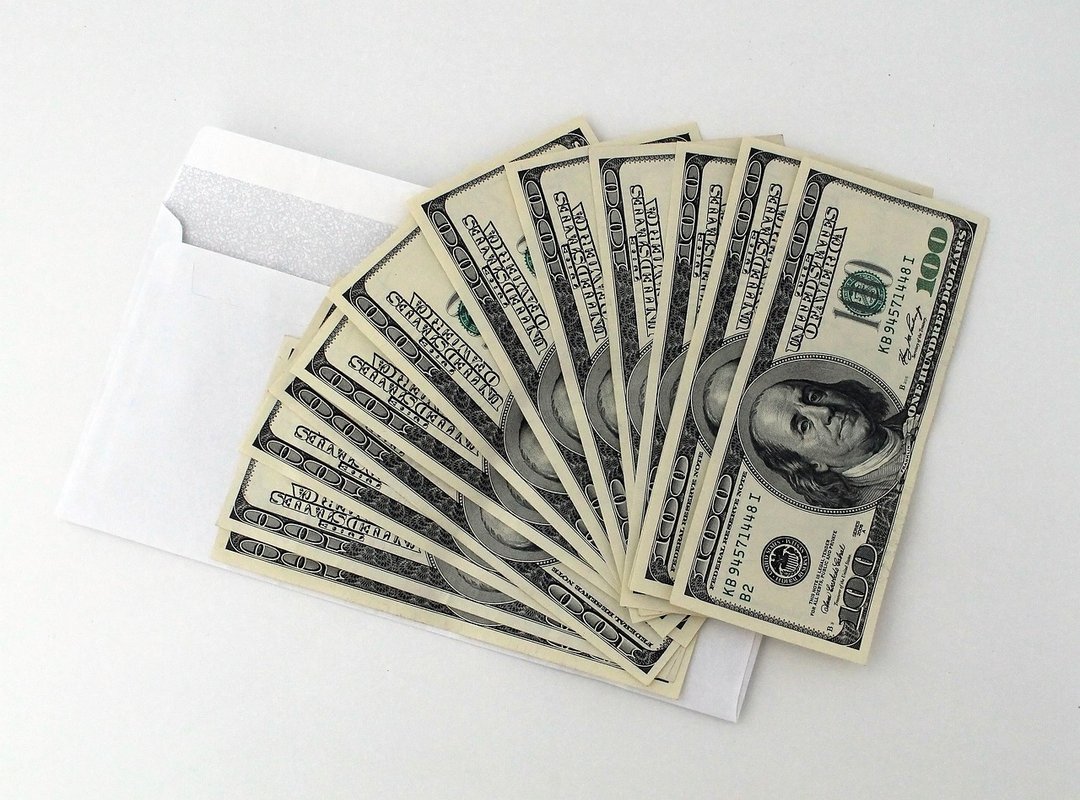
Exchanging money at the airport, and big no-no. Airport currency kiosks have notoriously high fees and the worst exchange rates because of their convenience.
Not checking for hidden fees is another common mistake. A ‘zero fee’ transfer often hides the cost in a poor exchange rate. To find the total cost, compare the exchange rate with the mid-market rate.
Pro tip: Use an online currency converter to get the mid-market rate.
Accepting ‘Dynamic Currency Conversion’ can be a trap. Always choose to be charged in the local currency (like Peruvian Soles) when using a credit or debit card abroad. This way, you avoid the unfavorable conversion rates set by the merchant’s bank.
Exchanging too much cash at once is risky. It’s better to exchange only what you need for a few days. This way, you avoid carrying large amounts of cash and having to exchange it back later.
Did you know? 5500 dolares a soles can vary widely depending on where and when you exchange it.
By avoiding these mistakes, you can save a lot of money and make your travel budget go further. Keep it simple, stay informed, and always be wary of those hidden fees.
Getting the Most Value for Your $5,500
The exact value of 5500 dolares a soles changes daily. Understanding why it fluctuates and how to track these changes is crucial.
To get the best deal, compare rates from online services and reputable exchange houses. Always avoid airport kiosks.
By understanding these simple factors, you can ensure you get the maximum amount of soles for your dollars.
Before you make the exchange, do a quick search for the current mid-market rate to use as your baseline for a good deal.

 Ask Franklin Zitostin how they got into esports highlights and you'll probably get a longer answer than you expected. The short version: Franklin started doing it, got genuinely hooked, and at some point realized they had accumulated enough hard-won knowledge that it would be a waste not to share it. So they started writing.
What makes Franklin worth reading is that they skips the obvious stuff. Nobody needs another surface-level take on Esports Highlights, Console Gaming News, Game Reviews and Updates. What readers actually want is the nuance — the part that only becomes clear after you've made a few mistakes and figured out why. That's the territory Franklin operates in. The writing is direct, occasionally blunt, and always built around what's actually true rather than what sounds good in an article. They has little patience for filler, which means they's pieces tend to be denser with real information than the average post on the same subject.
Franklin doesn't write to impress anyone. They writes because they has things to say that they genuinely thinks people should hear. That motivation — basic as it sounds — produces something noticeably different from content written for clicks or word count. Readers pick up on it. The comments on Franklin's work tend to reflect that.
Ask Franklin Zitostin how they got into esports highlights and you'll probably get a longer answer than you expected. The short version: Franklin started doing it, got genuinely hooked, and at some point realized they had accumulated enough hard-won knowledge that it would be a waste not to share it. So they started writing.
What makes Franklin worth reading is that they skips the obvious stuff. Nobody needs another surface-level take on Esports Highlights, Console Gaming News, Game Reviews and Updates. What readers actually want is the nuance — the part that only becomes clear after you've made a few mistakes and figured out why. That's the territory Franklin operates in. The writing is direct, occasionally blunt, and always built around what's actually true rather than what sounds good in an article. They has little patience for filler, which means they's pieces tend to be denser with real information than the average post on the same subject.
Franklin doesn't write to impress anyone. They writes because they has things to say that they genuinely thinks people should hear. That motivation — basic as it sounds — produces something noticeably different from content written for clicks or word count. Readers pick up on it. The comments on Franklin's work tend to reflect that.