
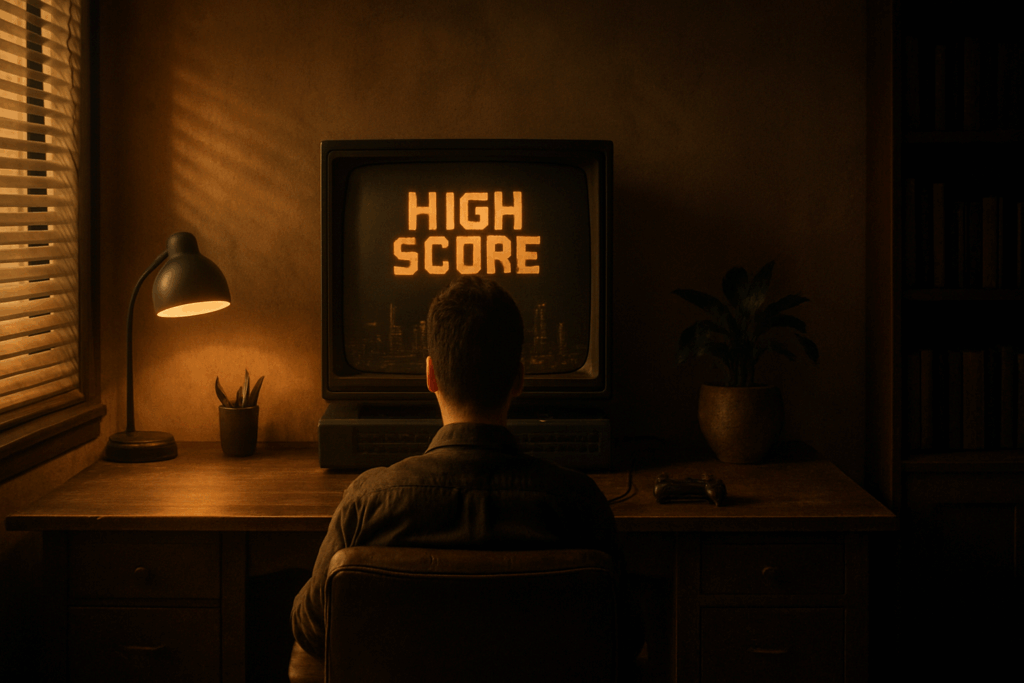
What Performance Means in 2026
Frame rate, resolution, and load times are still the holy trinity of game performance. These three pillars haven’t changed, but expectations around them have. In 2026, anything under 60 FPS feels sluggish. Gamers want fluid visuals, sharp image quality, and near instant access. Whether it’s cinematic single player epics or high pressure online play, performance is a deal breaker.
Immersion depends on how smooth and seamless the experience feels. A dropped frame during a boss fight or a blurry texture in an emotional cutscene can kill the moment. For competitive gamers, even small delays matter. Fast load times aren’t just about convenience they’re about staying in rhythm, keeping focus, and maximizing time in matches.
And then there are the patches. In 2026, launch day is just the start. Modern games patch constantly to improve frame pacing, smooth stutters, sharpen visuals, and fix weird bugs. Sometimes entire performance profiles change a few months after release. Smart players and reviewers revisit games post update because the difference can be night and day. In short, performance isn’t static anymore. It’s part of the game’s evolution.
PlayStation: Power Meets Polish
The PS5 Pro has quietly become a performance benchmark in the console space. We’re talking stable 4K resolutions that don’t dip when the action ramps up, along with consistent frame rates that keep gameplay smooth even in the most resource heavy titles. This generation isn’t about flash it’s about reliability, and Sony’s hardware is showing up where it counts.
Ray tracing a once niche feature is now a standard in how AAA games are experienced on PlayStation. Lighting, reflections, and environmental detail have taken a leap forward, not just in cutscenes but during play. Titles like “Horizon Forbidden West: Apex Edition” and the revamped “Spider Man 2 Pro Patch” showcase environments so detailed it’s easy to mistake sharp graphics for actual gameplay enhancements.
But it’s not just about what you see. The DualSense controller continues to be Sony’s wild card. Adaptive triggers, haptic feedback, and subtle audio cues are fine tuned to heighten the feel of performance. It’s not just responsive it makes fast feel faster.
Sony’s slate of exclusives still pulls the weight. These games are designed to wring every ounce out of the hardware, setting a bar third party developers can’t always match. The result? Experiences that feel optimized, on purpose, and uniquely PlayStation.
Whether you need all that horsepower is up for debate but if you’re after pure polish, the PS5 Pro is hard to top.
Xbox: Raw Specs and Smart Delivery
The Xbox Series X leans into raw power. The X is the muscle true 4K, faster load times, and stable 60+ fps in most modern titles. The Series S? Still solid, but trimmed down. It’s the lightweight rig built for 1440p gaming, perfect for players who don’t need all the extra heat. Both consoles handle current gen optimization cleanly, especially with Smart Delivery making sure you’re always running the best version of a game, no guesswork.
What really pushes Xbox ahead in usability is Game Pass. It’s more than Netflix for games it’s a firehose of value, with top tier titles ready to play instantly. Xbox nails the concept of instant ready libraries. Hit download, sync your cloud saves, and you’re right where you left off. No digging, no paying twice.
When it comes to graphics vs. experience, Xbox doesn’t try to win every frame war it optimizes where it matters. Fast boots, minimal lag, and wide backward compatibility give it legs. Most third party games aren’t just playable they’re better on Xbox thanks to FPS Boost. Older titles get new life with smoother frames and resolution bumps that feel like tiny remasters, minus the wait.
The ecosystem is stable and smart. Maybe a little unflashy, but effective like someone focused on delivering the best you can get with the least friction.
Nintendo Switch: Performance on the Move

The Switch 2 doesn’t pretend to be a powerhouse it’s a player first machine built for flexibility. In 2026, Nintendo is still doubling down on the hybrid factor: game anywhere, anytime. The console’s processing power lags behind Sony and Microsoft, but it makes up for that with smart design and a focus on accessible fun.
That said, performance on the Switch 2 isn’t stuck in 2017. There’s been real progress. Cloud gaming is no longer just a tech demo it’s viable. Streaming heavier AAA titles is smoother now, and Nintendo’s investing in backend improvements to cut latency. Then there’s upscaling: DLSS like tech means games look sharper docked, even if native resolution isn’t keeping up.
Still, not every genre thrives here. FPS titles can feel constrained by frame rate and control schemes. But strategy, roguelikes, puzzle games, RPGs, and party titles? This is their turf. Mobility and simple inputs make them perfect fits. And with improved battery life and a tighter online ecosystem, Switch 2 is better for co op and couch gaming than ever.
In the end, Nintendo isn’t chasing specs they’re carving out a lane where creativity wins over brute force. If you care more about play style than pixels, Switch 2 is hard to beat.
Cross Platform Games: Who Handles Them Best
You’ve probably noticed it before: the same game can feel wildly different depending on the console you play it on. That’s not just your imagination. Developers often start with one platform in mind, and the others get ports some smooth, some rough.
Take load times. On a PS5 or Xbox Series X, SSD tech makes transitions fast and fluid. Switch tends to crawl in comparison, which can drag down pace heavy games. Visually, PlayStation and Xbox routinely flex 4K textures and higher frame rates, while the Switch relies on scaling and lower resolution to stay on its feet. Frame stability is where things really get dicey games that run rock solid on one console may stutter or drop on another.
The result? A cross platform title might look stunning and responsive on one system, but blurry and janky on another. These differences aren’t always deal breakers, but they can make or break the experience depending on what you value most.
Curious which games are actually worth your time across platforms? Start here: See what’s worth playing across all consoles.
Choosing Based on What You Value
Start with what actually matters to you. For some, it’s all about crisp visuals and hyper realistic environments if that’s you, prioritize resolution and frame rate. PlayStation and Xbox both deliver 4K and high refresh rates, and they look best on a big screen in a stable home setup. If you’re aiming for immersion and cinematic jaw droppers, set up shop in the living room with proper speakers and a couch you don’t mind sinking into.
If you’re leaning toward raw performance fast load times, no lag in multiplayer, buttery smooth movement Xbox might edge ahead, especially paired with Game Pass for instant access. On the flip side, portability is king if you’re constantly moving. The Switch (or Switch 2 by now) gives you flexibility. It doesn’t dominate visually, but if you’re gaming in bursts during commutes or travel, it makes up for limitations with ease of use and surprisingly fun experiences.
Then there’s your gaming style. Casual players care more about convenience than maxed out specs. Competitive players can’t afford lag or screen tearing it’s not about the looks, it’s about the edge. So know what camp you’re in before making a decision. Not everyone needs to build a flagship gaming throne some people just want to play a few rounds on the go without fuss. Either is valid. But clarity on your priorities makes the choice simple.
The Bottom Line in 2026
There’s No Universal Winner
When it comes to choosing between PlayStation, Xbox, or Nintendo Switch in 2026, the truth is clear: there’s no all around champion. Each console brings distinct strengths, and what works best truly depends on the kind of player you are.
PlayStation offers technical polish and cinematic single player exclusives.
Xbox delivers high end specs alongside flexibility through services like Game Pass.
Nintendo Switch prioritizes innovation and accessibility, especially for players on the move.
Experience Over Specs
Hardware matters but it’s not everything. While resolution and frame rates shape visual quality, the player’s experience is still what defines a great game. That means:
How intuitive the gameplay feels
Whether load times disrupt your flow
The controller features that enhance immersion
Gamers in 2026 care less about flashy numbers and more about games that feel good to play.
Future Proofing Your Set Up
As platforms continue to evolve with iterative hardware upgrades and improved cloud integration, making the right choice boils down to your personal gaming priorities:
Are you a competitive gamer? Prioritize frame rate and online infrastructure.
Do you play casually or socially? Go for platforms that focus on accessibility and couch co op.
On the go a lot? Portability and battery life should jump to the top of your list.
The best console is the one that aligns with your lifestyle not just what’s trending.
Choose intentionally, knowing that while hardware will always improve, the way you experience your favorite games is what matters most.

 Ask Franklin Zitostin how they got into esports highlights and you'll probably get a longer answer than you expected. The short version: Franklin started doing it, got genuinely hooked, and at some point realized they had accumulated enough hard-won knowledge that it would be a waste not to share it. So they started writing.
What makes Franklin worth reading is that they skips the obvious stuff. Nobody needs another surface-level take on Esports Highlights, Console Gaming News, Game Reviews and Updates. What readers actually want is the nuance — the part that only becomes clear after you've made a few mistakes and figured out why. That's the territory Franklin operates in. The writing is direct, occasionally blunt, and always built around what's actually true rather than what sounds good in an article. They has little patience for filler, which means they's pieces tend to be denser with real information than the average post on the same subject.
Franklin doesn't write to impress anyone. They writes because they has things to say that they genuinely thinks people should hear. That motivation — basic as it sounds — produces something noticeably different from content written for clicks or word count. Readers pick up on it. The comments on Franklin's work tend to reflect that.
Ask Franklin Zitostin how they got into esports highlights and you'll probably get a longer answer than you expected. The short version: Franklin started doing it, got genuinely hooked, and at some point realized they had accumulated enough hard-won knowledge that it would be a waste not to share it. So they started writing.
What makes Franklin worth reading is that they skips the obvious stuff. Nobody needs another surface-level take on Esports Highlights, Console Gaming News, Game Reviews and Updates. What readers actually want is the nuance — the part that only becomes clear after you've made a few mistakes and figured out why. That's the territory Franklin operates in. The writing is direct, occasionally blunt, and always built around what's actually true rather than what sounds good in an article. They has little patience for filler, which means they's pieces tend to be denser with real information than the average post on the same subject.
Franklin doesn't write to impress anyone. They writes because they has things to say that they genuinely thinks people should hear. That motivation — basic as it sounds — produces something noticeably different from content written for clicks or word count. Readers pick up on it. The comments on Franklin's work tend to reflect that.